Rotorua & Taupo: Experiencing Active Volcanic Geography
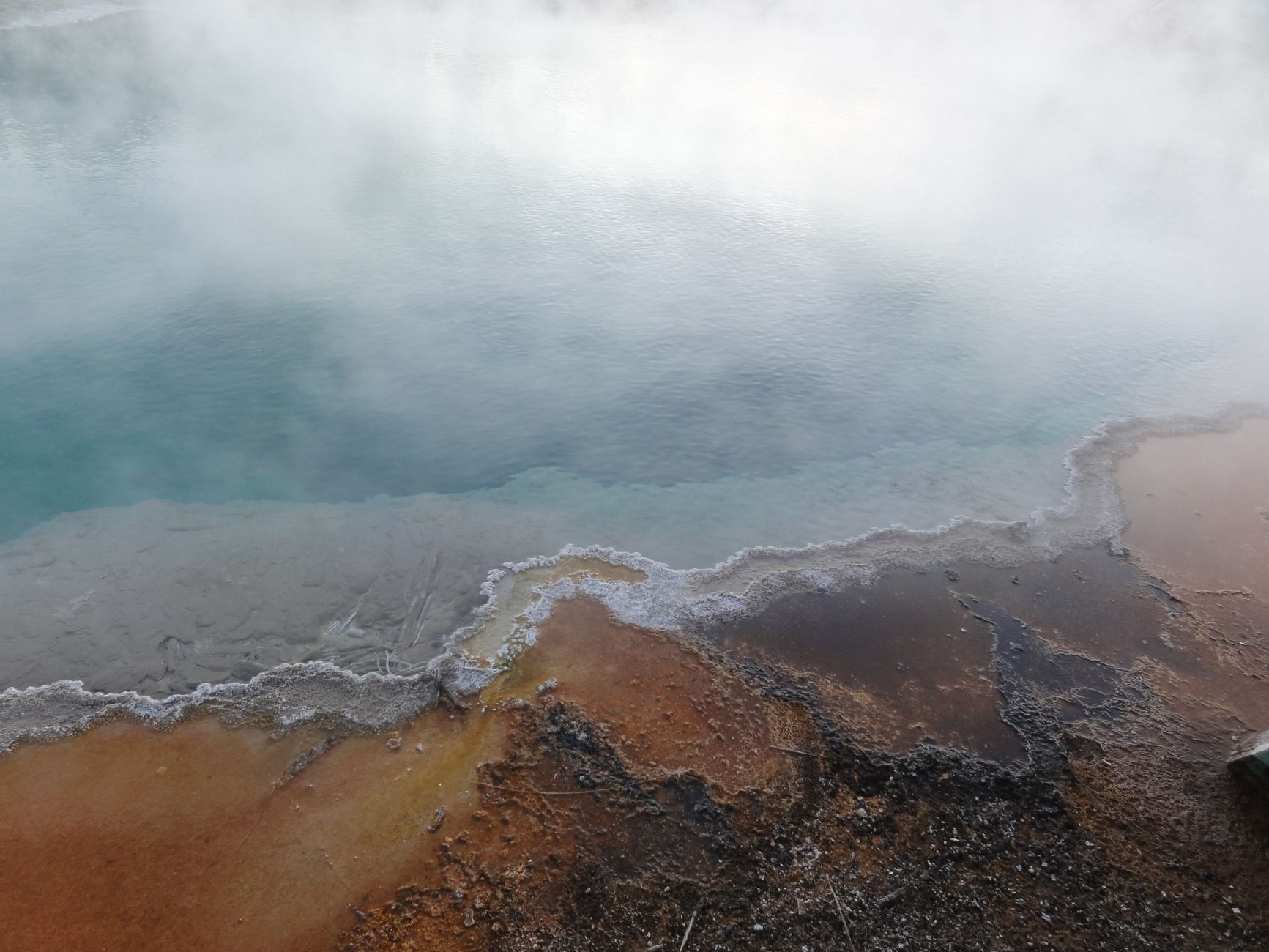
The Taupo Volcanic Zone on New Zealand's North Island is one of the most active geothermal expanses on Earth. Walking through Rotorua and the fringes of Lake Taupo involves breathing in sulfur vapors, watching geysers erupt on clockwork rhythms, and standing atop a supervolcano caldera.
Understanding the Volcanic Caldrons
Lake Taupo itself was formed by the colossal Oruanui eruption roughly 25,500 years ago, followed by the Hatepe eruption in 232 AD, which turned European and Chinese sunset skies red for months. Today, the earth's crust remains remarkably thin here. Magma boiling beneath the surface heats underground aquifers, creating the steaming hot rivers and mineral-tinted silica terraces that define the landscape.
Thermal Safety Warning:
Never step off marked boardwalks in geothermal reserves like Wai-O-Tapu, Te Puia, or Waimangu Volcanic Valley. The surface crust may look solid, but can give way to boiling acidic mud beneath.
Authentic Natural Soaking Without Crowds
Rather than crowded commercial hot pool complexes, seek out authentic natural thermal streams:
- Kerosene Creek: Situated 30km south of Rotorua, this natural geothermal stream flows over a 2-meter waterfall into a sandy-bottomed pool surrounded by native ponga ferns.
- Otumuheke Stream at Spa Thermal Park: In Taupo, this warm mineral stream merges directly with the cold currents of the Waikato River, allowing bathers to find their personal temperature equilibrium.
Maori Cultural Protocols & Respect
Many geothermal sites have belonged to local iwi (tribes) such as Ngati Tuwharetoa and Te Arawa for centuries. They were used historically for cooking food (hangi), healing warrior wounds, and ceremonial burials. Always treat thermal waters with reverence, never leave rubbish behind, and do not submerge your head in untreated geothermal waters due to rare amoebic risks.
Exploring North Island Volcanic Tracks?
We prepare personalized shuttles, trail permits, and hot pool routes.